
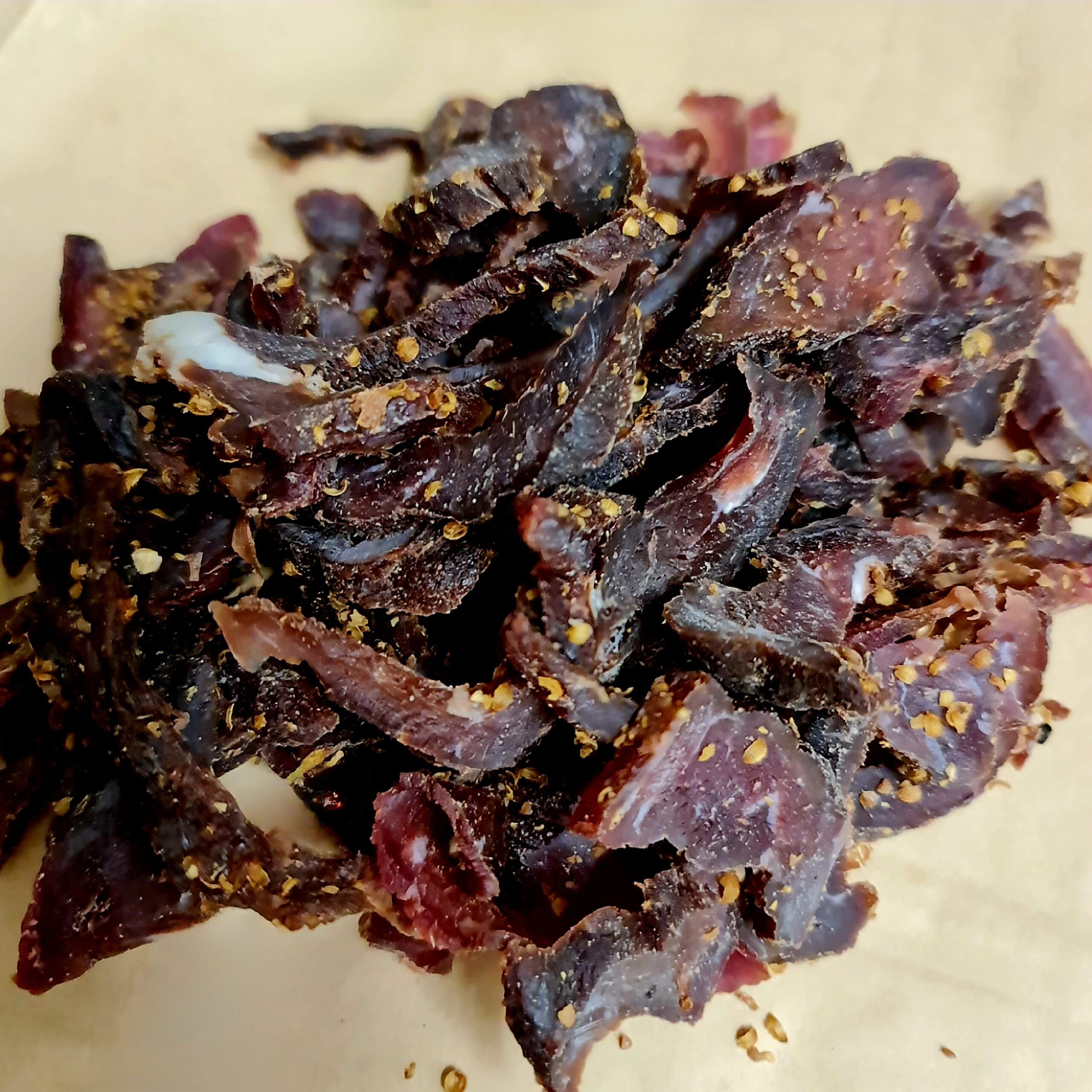

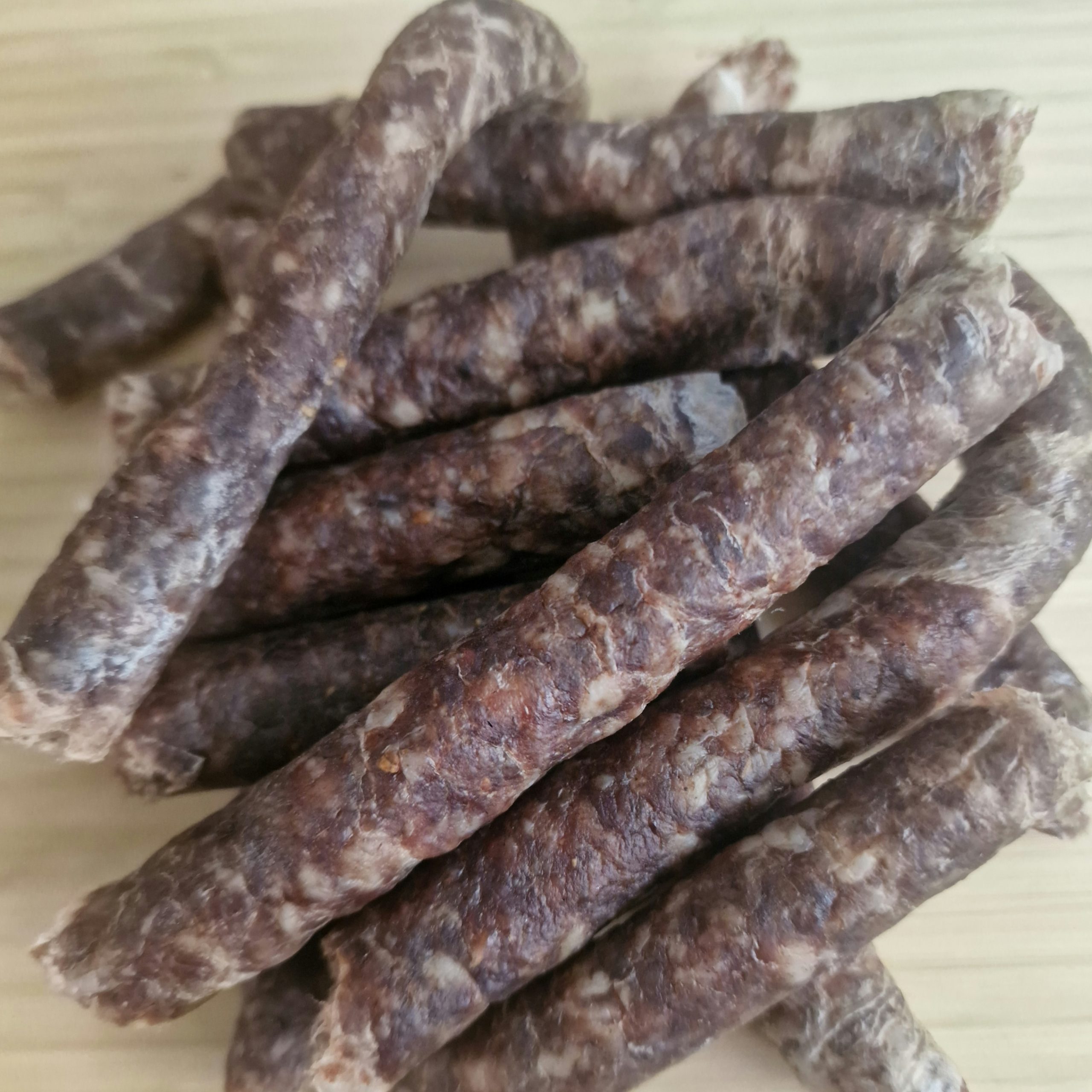
Boerewors, biltong, and droëwors are uniquely South African products. Boerewors, pap and chakalaka, and braais go hand-in-hand. Biltong and droëwors are favourite anytime snacks. Lunchbox. Backpacking. At rugby, cricket and football matches. Or just whenever…
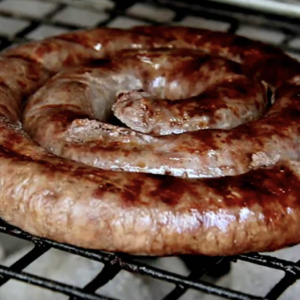
Boerewors
Boerewors has its origins in South Africa. The name comes from ‘boer’ (farmer) and ‘wors’ (sausage). SA Govt regulations stipulate that boerewors must contain 90% meat. Not more than 30% of the content may be fat.
Made from coarsely minced beef, with added pork or mutton. The main spices in boerewors are coriander seed, black pepper, nutmeg, cloves and allspice, packed in edible sausage casings and preserved with salt and vinegar.
Enjoy it with pap (made from maize-meal) and chakalaka (relish).
Biltong
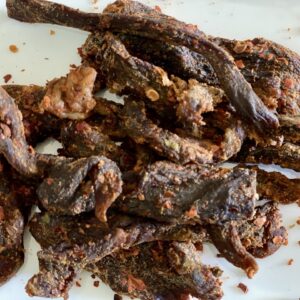
Biltong originates from South Africa. Produced from beef, game, or ostrich meat. The most common being beef. Use ‘silverside’ for the best results. Biltong is cured in salt and vinegar (or Saltpetre [potassium nitrate]). Once cured, biltong will last for months.
South African commandos in the 2nd Boer War relied on biltong as a source of food. In the 1st World War, South African soldiers on the Western Front had biltong shipped to them from home.
Biltong differs from beef jerky.
- It uses different spices.
- Biltong is air-dried.
- Jerky is heated before drying.
Droëwors
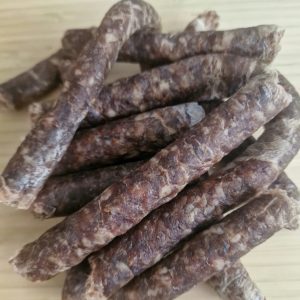
Droëwors (from Dutch: “droge worst”) is a popular South African snack food. Made with the same coriander-seed spice base as boerewors. Use dun wors (thin sausage) when you make droëwors. Dun wors dries quicker, and is less likely to spoil. Replace pork in the sausage with beef and mutton fat. This avoids the droëwors from going rancid during the drying process.
Reviews
There are no reviews yet.